Soft Landscaping in Harrow
If you are looking for soft landscaping in Harrow, you are likely planning more than a simple tidy-up. You may want a garden that feels easier to use, better suited to family life, more attractive from the road, or more practical for a business property. Soft landscaping is the part of outdoor improvement that brings life, texture, and seasonal colour to a space. It includes planting, lawn work, borders, soil preparation, mulching, turfing, and the careful shaping of garden areas so they look established and work well over time.
In Harrow, that can mean different things for different properties. A Victorian terrace near Harrow-on-the-Hill may need a compact but elegant planting plan. A family home in Wealdstone or Kenton might need a child-friendly lawn, privacy planting, and low-maintenance borders. A shopfront, school, office, or managed property may need tidy, durable planting that stays presentable through the year. Whatever the setting, soft landscaping is about creating an outdoor space that fits how you live or work, not just how it looks for one day.
This page is here to help local homeowners, landlords, and business owners understand what soft landscaping services involve, what they can include, and how to decide what is right for your Harrow property. If you are planning improvements and want a space that feels more settled, more inviting, and easier to care for, contact us today to request a free quote and discuss your ideas.
What soft landscaping means for Harrow properties

Soft landscaping refers to the living, natural, and soil-based elements of an outdoor area. While hard landscaping covers structures such as paving, walls, fencing, and patios, soft landscaping focuses on the features that change with the seasons and grow over time. In practical terms, this can include turfing, planting shrubs and trees, adding flower beds, renewing borders, improving soil, and creating a greener, more balanced outdoor layout.
For Harrow soft landscaping projects, the key is choosing features that suit both the property and the local environment. Many homes in the area have compact gardens, sloped plots, shaded corners, or spaces that are affected by overlooking from neighbouring houses. Some have heavy clay soil, while others have areas where drainage needs attention. A local approach matters because the right planting choices and ground preparation can make the difference between a garden that struggles and one that settles in well.
Soft landscaping is also important because it can transform the feel of a property without requiring a full rebuild of the outdoor space. A new lawn can open up a tired garden. Fresh planting can soften boundaries and add privacy. Seasonal borders can bring colour and structure. Even a simple improvement to soil health and edging can make a space feel cared for and usable. For many clients in Harrow, that balance of beauty and practicality is exactly what they want.
Why local soft landscaping matters in Harrow

Choosing a local team for soft landscaping in Harrow is valuable because outdoor spaces in the borough can vary a great deal from one street to the next. There are family homes with rear gardens, flats with shared or small external areas, period properties with mature but tired planting, and commercial premises that need neat presentation with manageable upkeep. A local service provider understands how these spaces are used and what tends to work best in the area.
Harrow’s property mix also brings practical considerations. Narrow side access, limited parking, shared driveways, and rear-garden access through the house are all common. That affects how materials are brought in, how waste is managed, and how larger planting or turfing jobs are organised. A local soft landscaping team can plan around these realities and keep disruption to a minimum. This is especially useful for busy households, landlords with tenants in place, and businesses that need work carried out with minimal interruption.
Another reason local knowledge matters is climate and growing conditions. Soil type, sun exposure, sheltered courtyards, and shaded borders all affect how well plants and lawns perform. A well-planned scheme takes all of that into account rather than choosing plants purely for appearance. The result is an outdoor space that is not only attractive, but also more resilient and easier to maintain.
Soft landscaping services we can help with

Soft landscaping can be tailored to suit a wide range of projects, from small refreshes to complete garden transformations. The exact work required depends on your goals, the condition of the site, and how much maintenance you want in the future. For many clients, the best results come from a mix of several services rather than one standalone task.
Typical services include:
- Turfing and lawn replacement for fresh, even grass areas
- Garden planting using shrubs, perennials, grasses, seasonal colour, and structural plants
- Border redesign to improve shape, depth, and year-round interest
- Soil improvement including cultivation, topsoil, and preparation for planting or turf
- Mulching to improve moisture retention, reduce weeds, and improve appearance
- Hedge and screening planting for privacy and softer boundaries
- Tree and shrub planting for long-term structure and shade
- Plant bed renovation for overgrown or neglected spaces
- Seasonal refreshes for properties that need regular curb appeal
Some customers want a garden that feels calm and low-maintenance. Others want a colourful space for entertaining, or a more polished front garden that improves the appearance of the home. Commercial clients often want neat, reliable planting that keeps entrances, courtyards, and customer-facing areas presentable. Whatever the objective, the service should be planned around how the space will actually be used.
What a soft landscaping project may include

Every property is different, but a well-managed project usually starts with a proper site check. This helps identify sun and shade levels, drainage issues, existing plants worth keeping, and any access concerns. From there, the work can be planned in a sensible order so the finished space looks tidy and established rather than rushed.
A typical project may include:
- Initial assessment of the garden or outdoor area
- Discussion of your preferred style, maintenance level, and budget range
- Clearing unwanted growth, old planting, or tired lawn areas where needed
- Ground preparation, including cultivation and soil improvement
- Installation of new turf, planting beds, shrubs, trees, or decorative planting
- Edging, shaping, and finishing details
- Advice on aftercare so the plants and lawn establish properly
Good preparation is just as important as the planting itself. A beautiful border or lawn will struggle if the ground is compacted, poorly drained, or not suited to the chosen plants. That is why professional soft landscaping in Harrow often focuses heavily on the foundations before the visible work begins.
If you have an existing garden that feels messy, uneven, or difficult to maintain, the right approach can bring it back under control without needing to start from scratch. In many cases, the best outcome is a carefully balanced combination of clearing, re-shaping, planting, and improving the soil beneath.
Popular soft landscaping projects for Harrow homes
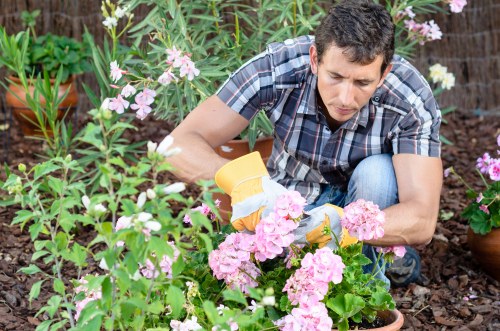
Homeowners in Harrow often want outdoor spaces that work around busy lifestyles. That might mean a lawn that can handle children and pets, planting that looks attractive without demanding constant attention, or a front garden that gives the property a smarter, more welcoming feel. Soft landscaping can be adapted to all of these needs.
Lawn and turf improvements
A tired or patchy lawn can make a whole garden feel unfinished. Fresh turfing is a common choice for front and rear gardens because it quickly creates a cleaner, greener surface. In some gardens, the better option may be to repair and improve the existing lawn rather than replace it entirely. This could involve re-leveling, topdressing, reseeding, and improving drainage so the grass establishes properly.
Planting for privacy and structure
Many Harrow gardens are overlooked by neighbouring homes, especially in denser residential areas. Planting can help soften those views and create more privacy without making the space feel closed in. Evergreen shrubs, layered borders, and carefully chosen trees can all contribute to a more private setting while still keeping the garden bright and usable.
Low-maintenance garden layouts
Some customers want attractive planting without spending every weekend on upkeep. In those cases, low-maintenance schemes are often best. These usually combine hardy plants, weed-suppressing mulch, strong edging, and a layout that is easy to access and manage. For landlords and busy families, that can be a practical way to keep the garden looking good throughout the year.
Local property types matter here too. A compact terrace garden in Harrow may need vertical interest and clever planting choices, while a larger detached property might suit layered beds and more generous lawn areas. The best soft landscaping feels tailored rather than standardised.
Soft landscaping for commercial and managed properties
Soft landscaping in Harrow is not just for domestic gardens. Businesses, schools, care settings, apartment developments, and managed estates all benefit from outdoor spaces that are neat, healthy, and easy to maintain. For commercial properties, appearance is often closely linked to first impressions, and outdoor planting plays a major role in how a site is perceived.
Commercial soft landscaping may include entrance planting, shrub beds, seasonal displays, lawn care, mulching, replacement planting, and the tidying of shared green areas. The goal is often to keep the site looking cared for without creating unnecessary maintenance burden. A good plan will choose plants that are robust, suit the site conditions, and remain presentable through changing weather.
For landlords and managing agents, reliable soft landscaping can also reduce complaints and protect long-term property value. Overgrown borders, weak lawns, and neglected planters can quickly make an otherwise well-kept site feel untidy. Regular soft landscaping support helps prevent that decline and keeps outdoor areas working as they should.
What affects the cost of soft landscaping?
People often want to know how soft landscaping pricing is worked out. While exact figures vary from project to project, the main cost factors are usually straightforward. Understanding them can help you plan your budget and decide what to prioritise first.
Common pricing factors include:
- Size of the area and the amount of planting or turf required
- Condition of the site, including whether clearing or major preparation is needed
- Access to the garden, especially where materials must be carried through the property
- Type of plants or lawn materials chosen for the project
- Soil quality and drainage issues that may require additional groundwork
- Complexity of the design, including borders, levels, edging, or screening
- Ongoing maintenance needs if regular care is part of the service
It is often worth discussing your priorities openly at the start. For example, you might prefer to focus first on getting the lawn right, then improve the planting later. Or you may want to complete a full front-garden refresh in one visit because presentation is the priority. A clear conversation helps shape a solution that suits the property and your budget goals without unnecessary extras.
Request a free quote if you would like a tailored plan based on your garden, site access, and the type of finish you want.
How our soft landscaping work is carried out
For local customers, a smooth process matters as much as the result. You want the work done neatly, with clear communication and a practical approach to access, materials, and timing. A typical soft landscaping project in Harrow is usually managed in a simple, customer-friendly way.
1. Initial discussion and site understanding
The first step is understanding what you want to achieve. That may involve replacing a lawn, improving a border, adding privacy planting, or refreshing a front garden. The site itself will also be assessed so the work can be planned around light levels, soil condition, access, and any features that should be retained.
2. Planning the layout and materials
Next comes the practical design stage. This does not need to be overly complicated. Often it is about deciding where planting should go, what needs clearing, which areas need better soil, and how the space should flow. This is where local experience really helps, especially in gardens with awkward shapes or limited room to move materials.
3. Ground preparation and installation
The physical work may involve clearing, digging, cultivating, adding topsoil, laying turf, planting, mulching, and edging. Good workmanship is important because it helps the planting establish well and keeps the finished result looking tidy. Careful handling of plants and proper spacing also matter if the garden is going to mature beautifully rather than become overcrowded.
4. Finishing touches and aftercare advice
Once the main work is complete, the final shaping and finishing are done. You should also receive straightforward advice on watering, feeding, mowing, or pruning where relevant. A garden always settles in better when the aftercare is understood from day one.
Preparation checklist before the work starts
If you are arranging soft landscaping in Harrow, a little preparation can make the project run more smoothly. You do not need to overdo it, but a few simple steps help the team work efficiently and reduce disruption.
- Clear access routes where possible, especially side passages and rear gates
- Move vehicles if parking space may be needed for loading or unloading
- Remove fragile items, ornaments, and movable pots from work areas
- Let the team know about pets, access codes, or shared entrances in advance
- Point out any plants, trees, or garden features you want to keep
- Think about future use of the space, such as children’s play, entertaining, or privacy
- Discuss any drainage, shade, or soil issues you already know about
In places like Harrow where parking and access can sometimes be tight, advance planning is especially useful. It helps avoid delays and makes it easier to organise materials, tools, and any waste removal. If your property has unusual access, a local team will usually know how to plan around it more effectively than someone unfamiliar with the area.
Why choose a local company for soft landscaping in Harrow
There are many reasons local customers prefer a company that regularly works in the borough. First, local knowledge supports better practical decisions. Harrow includes busy roads, quieter residential streets, terraced housing, suburban family homes, and mixed-use areas, each of which brings its own challenges. A team that already understands these conditions can plan more efficiently and avoid unnecessary complications.
Second, local service usually means better responsiveness. If you need a site visit, a follow-up adjustment, or advice about how to look after new planting, it helps to deal with a team that is used to working nearby. That also matters for commercial clients who may need work completed around school hours, opening times, or specific access windows.
Third, local teams tend to be more aware of the gardens and outdoor spaces that are common in the area. Many Harrow properties have small but valuable gardens, side returns, or front gardens that need careful use of space. Soft landscaping is at its best when it respects the property’s character rather than fighting against it. A thoughtful local approach can make the garden feel more natural, more useful, and more in keeping with the home or business.
In short: if you want a result that looks right and works in everyday life, local experience is a real advantage.
Areas covered in and around Harrow
Soft landscaping services are often requested across Harrow and the surrounding neighbourhoods. Different areas bring different property styles, garden sizes, and access conditions, which is why a flexible service is helpful. Coverage commonly includes:
- Harrow on the Hill
- Harrow Weald
- Wealdstone
- Kenton
- Rayners Lane
- North Harrow
- South Harrow
- Pinner
- Sudbury Hill
- Stanmore
- Wembley nearby areas where appropriate
- Greenhill and surrounding residential neighbourhoods
Whether you are in a quieter cul-de-sac, a busy road with limited parking, or a property with shared external access, the service can be planned to fit the setting. That matters because soft landscaping is often just as much about logistics as it is about planting choice.
If your property is in or around Harrow and you are unsure whether your outdoor space can be improved without major disruption, it is worth asking. Many gardens that feel awkward or underused can be transformed with the right soft landscaping plan.
Frequently asked questions
How long does soft landscaping usually take?
It depends on the scale of the work. A small border refresh may take much less time than a complete lawn replacement and planting scheme. Access, weather, site preparation, and the amount of existing material that needs clearing can also affect the timetable.
Can soft landscaping help a small garden feel bigger?
Yes. Careful planting, smart edging, lighter lawn areas, and well-chosen shapes can make a small garden feel less crowded and more usable. This is particularly helpful in many Harrow properties where outdoor space needs to do a lot in a limited footprint.
Is soft landscaping suitable for low-maintenance gardens?
Absolutely. In fact, many customers ask for a low-maintenance result. That usually means choosing robust plants, improving soil, adding mulch, and creating a layout that is easy to care for. The aim is to reduce hassle while keeping the space attractive.
What if my garden has poor soil or drainage?
That is a common issue and one that should be dealt with early in the process. Soil improvement, regrading, drainage adjustments, and plant selection can all help. The right preparation is often the difference between a short-term fix and a long-lasting improvement.
Do you work on both front and rear gardens?
Yes, and many properties benefit from both being treated together. Front gardens often need presentation and structure, while rear gardens are more about usability, privacy, and comfort. A joined-up approach can make the whole property feel more balanced.
Can you help if my garden has been neglected?
Yes. Neglected gardens often need clearing, reshaping, and a practical replanting plan. This can be a very effective way to bring a space back into use without needing a complete redesign of every element.
Making the most of your outdoor space
Soft landscaping is often the finishing touch that turns a plain outdoor area into a space you actually want to use. For homeowners, that may mean more enjoyable weekends, better kerb appeal, and a garden that feels calmer and easier to manage. For landlords, it may mean a property that looks cared for and easier to present. For businesses, it can help create a professional, welcoming exterior that supports the whole site.
When planned well, soft landscaping in Harrow can make a real difference without requiring major construction. It can soften hard edges, improve the balance of the garden, and create a more welcoming atmosphere all year round. It can also be phased sensibly, which is helpful if you want to improve the space gradually rather than all at once.
If you are ready to improve your garden or outdoor area, contact us today to talk through your ideas, arrange a site visit, and request a free quote. Whether you need turfing, planting, border work, or a more complete soft landscaping package, a local approach can help you achieve a result that suits your property and the way you use it.